Custom ERP or off-the-shelf ERP: when is it worth building your own?
Contents
- What do off-the-shelf ERP and custom ERP mean?
- How many businesses use an ERP?
- What does an off-the-shelf ERP cost?
- What should you never build from scratch?
- When is a custom app next to your ERP worth it?
- Off-the-shelf, combined or fully custom: how do they compare?
- How do you start without building everything at once?
- When don't you need us?
- What does Navitech do?
- Frequently asked questions
- Thinking about an ERP?
- Sources
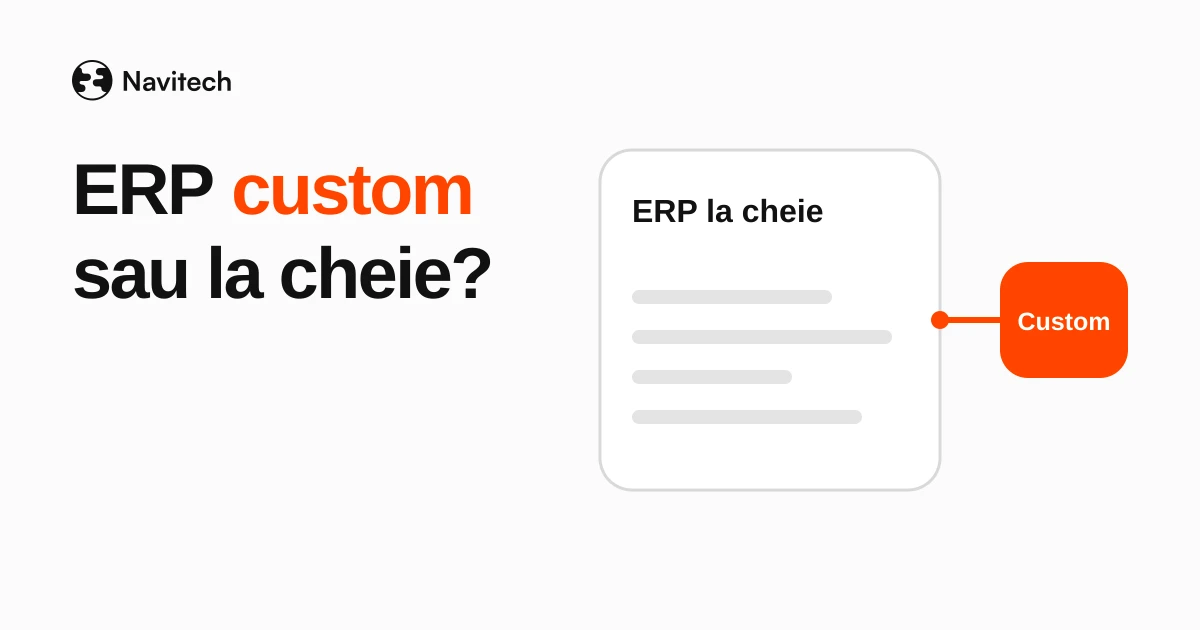
Custom ERP or off-the-shelf? For most businesses, neither in its pure form. What usually works is an off-the-shelf ERP for accounting and legal obligations, plus a custom app for the process that sets you apart from your competitors, connected through integrations. A fully custom ERP built from scratch is only worth it when nothing on the market covers your core process.
If your processes no longer fit in spreadsheets or an invoicing tool, you're facing a decision more than half of EU businesses haven't made yet: in 2025, only 46.5% of EU businesses with at least 10 employees used an ERP (Eurostat, isoc_eb_iip).
What do off-the-shelf ERP and custom ERP mean?
An off-the-shelf ERP is a ready-made product that you configure: accounting, invoicing, inventory, purchasing, sometimes manufacturing and HR. You usually pay a subscription per user, and the vendor keeps it updated.
A custom ERP is an application built for your business. It does exactly what you need, but everything it does has to be built, tested and maintained by someone.
Between the two is the option that, in our view, works most often: an off-the-shelf ERP for what's standard, a custom app for what's yours. Accounting, tax reporting and invoicing stay in the ready-made product. The specific process, for example scheduling crews across job sites, tracking equipment or a quote configurator, you build separately and connect to the ERP.
How many businesses use an ERP?
Eurostat's 2025 data for the EU shows how much company size matters (Eurostat, isoc_eb_iip):
| Company size | EU average |
|---|---|
| 10–49 employees | 41.1% |
| 50–249 employees | 69.9% |
| 250+ employees | 88.7% |
| All businesses with 10+ employees | 46.5% |
The data covers businesses in all sectors except finance. In 2023, the EU figure for businesses with 10+ employees was 43.4%, so adoption is growing, but more than half of the smallest businesses still run without one.
What does an off-the-shelf ERP cost?
For example, at Odoo, the Standard plan costs €14.90 per user per month billed yearly, and the Custom plan, which includes Studio and the external API, €27.90. A discount applies for the first 12 months to the users ordered initially. At Microsoft Dynamics 365 Business Central, the Essentials plan costs $80 per user per month, paid yearly, on the US pricing page.
These figures cover the license. Implementation, configuration, data migration and training are usually paid separately, and their cost varies.
What matters most for your budget is that the subscription grows with your team. On Odoo Standard, 10 users means €149 a month, and 30 users €447 a month, at the listed price. Put that cost next to the maintenance cost of a custom app; don't leave it out. Sometimes the subscription comes out cheaper, sometimes it doesn't.
What should you never build from scratch?
Accounting and tax reporting. The rules change often, and a mistake costs you fines.
One example at EU level: under the VAT in the Digital Age package, published in March 2025, digital reporting requirements will apply to cross-border B2B transactions from July 1, 2030, and member states with their own real-time reporting systems must align them with the EU model by January 1, 2035 (European Commission, ViDA).
An off-the-shelf ERP keeps up with these changes for all its customers. A custom ERP only keeps up if you pay someone to update it, every time.
When is a custom app next to your ERP worth it?
When the process that makes you money doesn't look like anyone else's. A few situations:
- Field operations: crews, equipment, vehicles, timesheets, with rules no standard ERP has.
- Complex quotes: the price depends on dozens of variables, and salespeople lose hours in spreadsheets.
- A customer or partner portal: orders, documents, statuses, behind a login.
- Workflows that cross several systems, where the manual work between them is the real problem.
If your process looks like everyone else's, adapt to the software, not the other way around. It's cheaper and safer.
Off-the-shelf, combined or fully custom: how do they compare?
| Criterion | Off-the-shelf ERP | Off-the-shelf ERP + custom app | Fully custom ERP |
|---|---|---|---|
| Upfront cost | implementation and configuration, varies | ERP implementation plus the app project | a large development project |
| Recurring cost | per-user subscription (Odoo Standard: €14.90/month, Business Central Essentials: $80/month) | ERP subscription plus app maintenance | maintenance and updates, including for regulatory changes |
| Who keeps up with regulations | the ERP vendor | the ERP vendor, for the legal side | the team maintaining the app |
| How fast you get started | fastest | the ERP quickly, the app in stages | slowest |
| Best fit | standard processes | a specific process that gives you an edge | nothing on the market covers your core process |
How do you start without building everything at once?
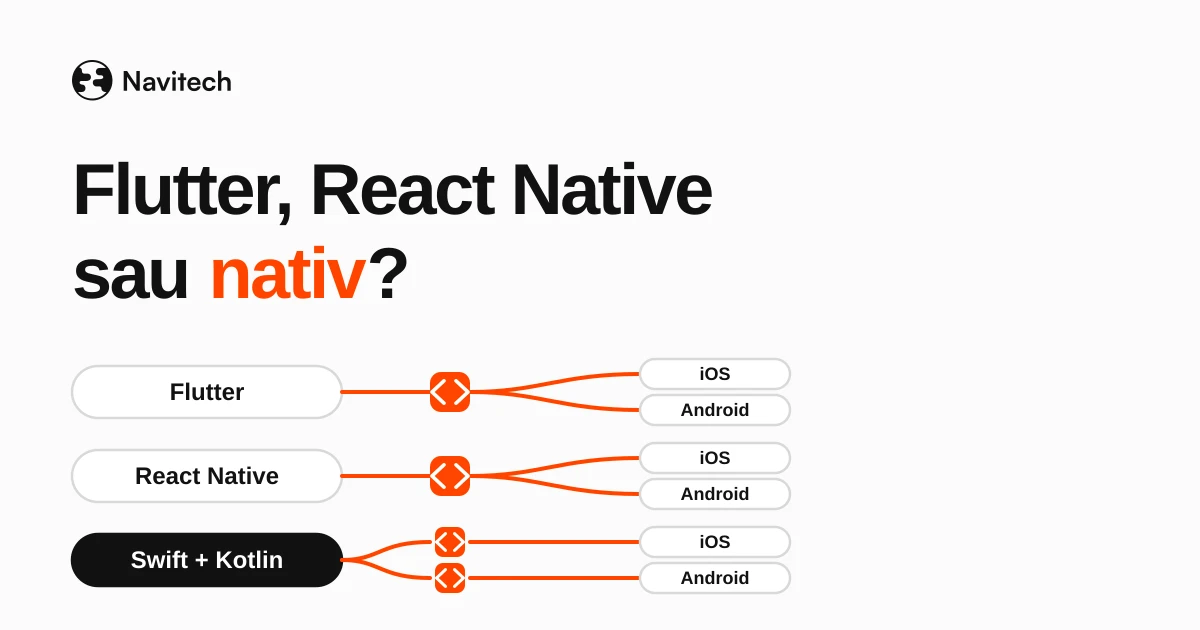
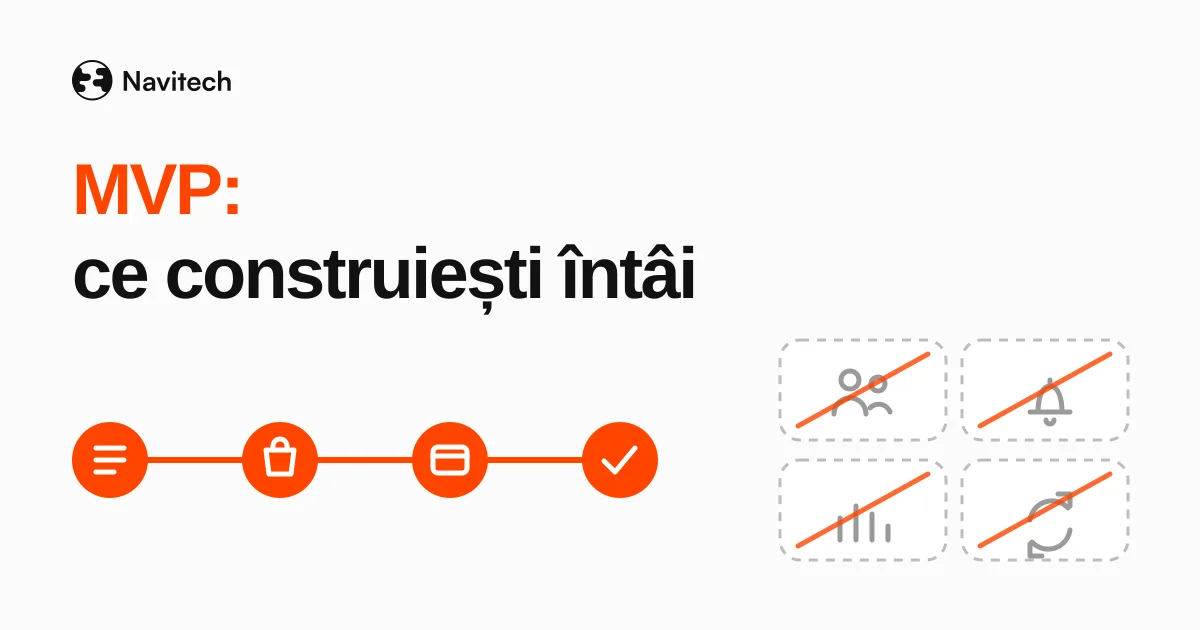
With a single module. Pick the process that costs you the most time, build it, connect it to what you already have and measure. Add the rest once you know the first one worked. It's the same logic as an MVP, which we covered in our article on MVPs. For the technology choice, see our comparison of Flutter, React Native or native.
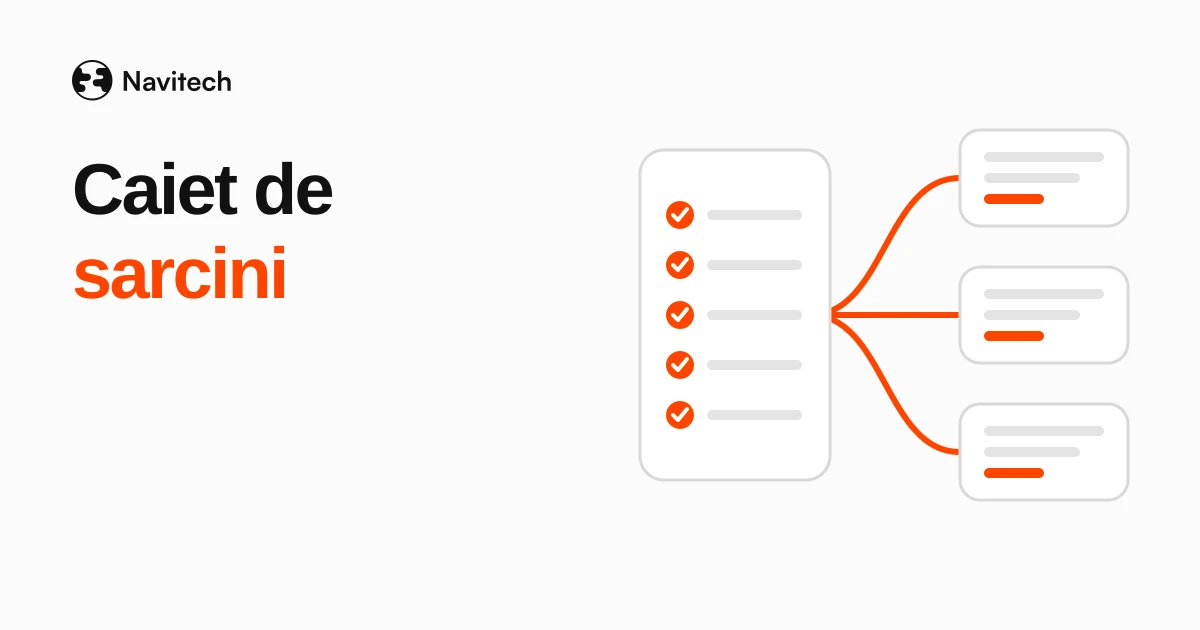
Write down from the start what the module has to do and what it doesn't do, plus who owns the code and the data at the end. Our project brief template helps you write it.
When don't you need us?
When your processes are standard: invoicing, inventory, accounting, a few reports. In that case, the better choice is an off-the-shelf ERP, well configured by an implementation partner. Don't pay for a custom app that does what a product you can rent monthly already does.
What does Navitech do?
We build custom web apps. One example is Dynamik ERP, an ERP built from scratch, tailored to the business, which companies use to manage their clients and track assets, tools and vehicles. It's an example of the third column in the table above, the fully custom option.
Our web/mobile app package starts at €5,000 excl. VAT, with an MVP delivered in 2 months. We write the project brief together with you, and it's included in the quote. You can see Dynamik ERP and our other projects on our work page.
Frequently asked questions
Which is cheaper, a custom ERP or an off-the-shelf one?
At the start, almost always the off-the-shelf one. In the long run, it depends on the number of users and how much the product has to be adapted. Put the subscription over 3–5 years next to the maintenance cost of a custom app and compare.
Can I connect a custom app to the ERP I already have?
Usually yes, if the ERP has an API. At Odoo, for example, the external API is included in the Custom plan (Odoo). Check this before you ask for quotes.
Does my ERP have to handle e-invoicing and tax reporting?
The legal obligation is your company's, not the software's. But your ERP or accounting software has to be able to produce what your country requires. If you trade across borders in the EU, ask the vendor how they plan to meet the ViDA requirements (European Commission).
How long does an ERP implementation take?
It depends on how many modules you start with and how clean the data you're migrating is. A custom module can be ready as an MVP in a few months. At Navitech, the MVP is delivered in 2 months.
Who owns the code of a custom ERP?
Whoever the contract gives the rights to. Spell out who owns the code and the data after payment, as we explain in our project brief template.
Thinking about an ERP?
Tell us what processes you have now, what software you use and where you lose the most time. We'll tell you whether an off-the-shelf ERP is enough or what's worth building next to it, and send you a clear quote.
Sources
- Eurostat, Integration of internal processes by size class of enterprise (isoc_eb_iip), 2023 and 2025 data: https://ec.europa.eu/eurostat/databrowser/view/isoc_eb_iip/default/table
- European Commission, VAT in the Digital Age (ViDA): https://taxation-customs.ec.europa.eu/taxation/vat/vat-digital-age-vida_en
- Odoo, Pricing: https://www.odoo.com/pricing
- Microsoft, Dynamics 365 Business Central pricing: https://www.microsoft.com/en-us/dynamics-365/products/business-central/pricing
- Navitech, packages, prices and projects: https://navitech.systems/en, https://navitech.systems/en/work
Daniel-Ionuț Grigoraș